< Blog
#AtoZ - Artificial Intelligence - Od dát k akcii: AI v srdci podnikovej výkonnosti
Umelá inteligencia (AI) je dnes v samom centre digitálnych transformácií podnikov. Ale čo to v praxi konkrétne mení pre riadiace systémy?
Dlho obmedzené na centralizáciu dát a operatívne riadenie, ERP systémy sa postupne vyvíjajú na skutočných asistentov rozhodovania. Dnes už len nezaznamenávajú informácie: analyzujú pracovné toky v reálnom čase, odhaľujú anomálie, predvídajú trendy a aktívne podporujú používateľov pri ich každodenných činnostiach.
V tomto kontexte sa riadiace systémy stávajú inteligentnejšími. Sú teraz schopné pochopiť obchodný kontext, formulovať relevantné odporúčania a čoraz častejšie aj pripravovať konkrétne operatívne akcie pod ľudským dohľadom.
Poháňaná prediktívnou analytikou a nástupom inteligentných agentov, táto nová generácia AI predstavuje zásadný míľnik vo vývoji ERP a finančných nástrojov.
Táto premena už nie je len teoretická.
Podľa McKinsey by generatívna AI mohla ročne pridať medzi 2 600 až 4 400 miliardami dolárov prírastkovej ekonomickej hodnoty v celosvetovom meradle.
Okrem toho prvé spätné väzby z praxe už potvrdzujú hmatateľné výsledky. Štúdia vykonaná medzi viac ako 5 000 agentmi zákazníckeho servisu preukázala priemerný 14% nárast počtu vyriešených prípadov za hodinu vďaka podpore AI.
Tieto výsledky ilustrujú jasný trend: AI nielen automatizuje, ale priamo zvyšuje produktivitu a kvalitu rozhodovania.
Umelá inteligencia zahŕňa súbor technológií schopných simulovať určité ľudské schopnosti, ako sú učenie, analýza, uvažovanie a rozhodovanie.
V praxi sa opiera predovšetkým o:
V rámci podnikov tieto technológie umožňujú automatizovať opakujúce sa úlohy, získavať poznatky z obrovských objemov dát a výrazne zlepšovať kvalitu rozhodnutí.
Upozornenie: Tento článok vychádza z pôvodného obsahu publikovaného spoločnosťou Sage s názvom „Prediktívna analytika a AI na posilnenie vášho cash flow“ (čítajte tu), ktorý sme doplnili o konkrétne príklady a špecifické pohľady prispôsobené našim riešeniam Sage X3 a Sage Intacct.
Skôr než pôjdeme ďalej, je nevyhnutné rozlíšiť hlavné typy umelej inteligencie, ktoré sa dnes v podnikoch využívajú.
| Typ AI | Cieľ | Príklad |
| Generatívna AI | Produkovať obsah alebo odpovedať na otázky | Generovanie reportu, zhrnutie stretnutia |
| Prediktívna AI | Predvídať budúce udalosti | Prognózovanie cash flow, detekcia oneskorenej platby |
| Agentická AI | Vykonávať alebo pripravovať obchodné akcie | Spustenie upomienky zákazníkovi, aktivácia workflow |
Tieto prístupy sú navzájom plne komplementárne. Generatívna AI uľahčuje produkciu a pochopenie informácií. Prediktívna AI umožňuje podnikom predvídať. Agentická AI zasa priamo koná v rámci podnikových procesov, pod ľudským dohľadom.
Využívanie umelej inteligencie v organizáciách sa vyvíjalo postupne.
Najprv deskriptívna AI umožnila pochopiť, čo sa stalo. Následne diagnostická AI pomohla vysvetliť príčiny. Potom prediktívna AI otvorila cestu k predvídaniu budúcich udalostí.
Neskôr preskriptívna AI priniesla odporúčania na konkrétne akcie. A napokon agentická AI predstavuje najnovší míľnik – je schopná pripravovať alebo vykonávať konkrétne podnikové úlohy pod ľudským dohľadom.
Tento vývoj ilustruje hlbokú premenu informačných systémov, ktoré už len neinformujú, ale aktívne sa podieľajú na rozhodovaní a konaní.
Medzi najštrukturálnejšími aplikáciami AI v podnikaní zaujíma prediktívna analytika ústredné miesto.
Opiera sa o využívanie historických a real-time dát na identifikáciu trendov, korelácií a pravdepodobných scenárov. Vďaka strojovému učeniu modeluje budúce správanie na základe minulých dát.
Na rozdiel od tradičného reportingu, ktorý len opisuje minulosť, prediktívna analytika sa zameriava na projektovanie toho, čo by sa mohlo stať ďalej.
V pokročilejšom nastavení kombinuje interné dáta (cash flow, predaje, správanie zákazníkov) s externými dátami (trhové trendy, konkurencia, zmeny v odvetví).
Výsledkom je komplexnejší a dynamickejší pohľad na možný budúci vývoj.
V praxi umožňuje podnikom najmä:
V tomto kontexte nie je cieľom nahradiť ľudskú expertízu, ale posilniť ju.
Prediktívna analytika umožňuje zachytiť slabé signály skôr, spresniť interpretáciu dát a uprednostniť akcie podľa ich potenciálneho dopadu.
Postupne sa spoločnosti odkladajú od reaktívneho myslenia a prijímajú skutočne proaktívny prístup.
Tento vývoj už prináša hmatateľné výsledky. Podľa PwC odvetvia najďalej v adopcii AI zaznamenávajú rast produktivity 4,3 %, v porovnaní s 0,9 % v menej exponovaných odvetviach.
Prediktívna analytika sa tak stáva priamou pákou na optimalizáciu výkonnosti a konkurencieschopnosti.
Súčasný vývoj sa netýka len predikcie, ale aj konania.
Inteligentní agenti dnes umožňujú:
Tieto akcie však zostávajú striktne riadené pravidlami súladu a v citlivých kontextoch vyžadujú ľudskú validáciu. AI sa tak stáva skutočným operatívnym asistentom zabudovaným priamo do podnikových procesov.
Vo finančných a rozhodovacích prostrediach sú tieto technológie už aktívne nasadené.
AI asistenti integrovaní do riadiacich riešení umožňujú priamu interakciu s dátami pomocou prirodzeného jazyka.
Ponúkajú najmä:
Používatelia tak môžu priamo dopytovať svoje systémy napríklad na analýzu poklesu obratu, pochopenie vývoja cash flow alebo identifikáciu neuhradených faktúr ovplyvňujúcich likviditu.
Od roku 2025 spoločnosť Sage integrovala Sage Copilot do Sage X3, čo predstavuje zásadný posun smerom k ERP „rozšírenému o AI“. V roku 2026 riešenie prekročilo novú hranicu: už nie je obmedzené na izolované konverzačné rozhranie, ale stalo sa skutočným motorom operatívnej inteligencie integrovaným do prostredia Sage X3 a podnikových procesov.
Sage Copilot je dostupný od verzie Sage X3 Release 2025 R2 (12.0.38). Táto verzia slúži ako odrazový mostík pre jeho postupnú integráciu do ERP ekosystému, s rýchlym nárastom prípadov použitia viazaných na analýzu dát, asistenciu používateľom a navigáciu naprieč objektmi X3.
Konkrétne je Sage Copilot dostupný ako konverzačné rozhranie plne zabudované v Sage X3. Používatelia ho môžu otvoriť zo svojho pracovného priestoru bez prerušenia aktuálnych ERP obrazoviek (predaj, účtovníctvo, nákup, sklad).
Interakcia prebieha v prirodzenom jazyku, priamo prepojená s živými systémovými dátami. Používatelia už nemusia manuálne prechádzať menu, filtrovať zoznamy ani zostavovať technické dopyty. Cieľom nie je len „odpovedať na otázky“, ale umožniť riadené skúmanie dát v obchodnom kontexte.
Sage Copilot neposkytuje len textové odpovede – funguje ako podnikový asistent priamo napojený na objekty X3.
Praktické príklady použitia:

Vďaka technológiám spracovania prirodzeného jazyka (NLP) umožňuje Sage Copilot priamu interakciu s dátami Sage X3:
Intuitívne skúmanie dát:Používatelia už nemusia ovládať zložité filtre ani zostavovať technické dopyty. AI dopytuje dáta zo Sage X3 (financie, predaj, dodávateľský reťazec, výroba) a poskytuje štruktúrované, zrozumiteľné a priamo využiteľné odpovede.
Identifikácia odchýlok alebo anomálií v dátach: Okrem jednoduchého dopytovania systém nepretržite monitoruje operatívne pracovné toky. Je schopný identifikovať významné rozpočtové, finančné alebo operatívne odchýlky a upozorniť na ne skôr, ako ovplyvnia výkonnosť spoločnosti.
Automatické generovanie poznatkov: Sage Copilot taktiež vytvára karty poznatkov, ktoré zvýrazňujú trendy alebo slabé signály:
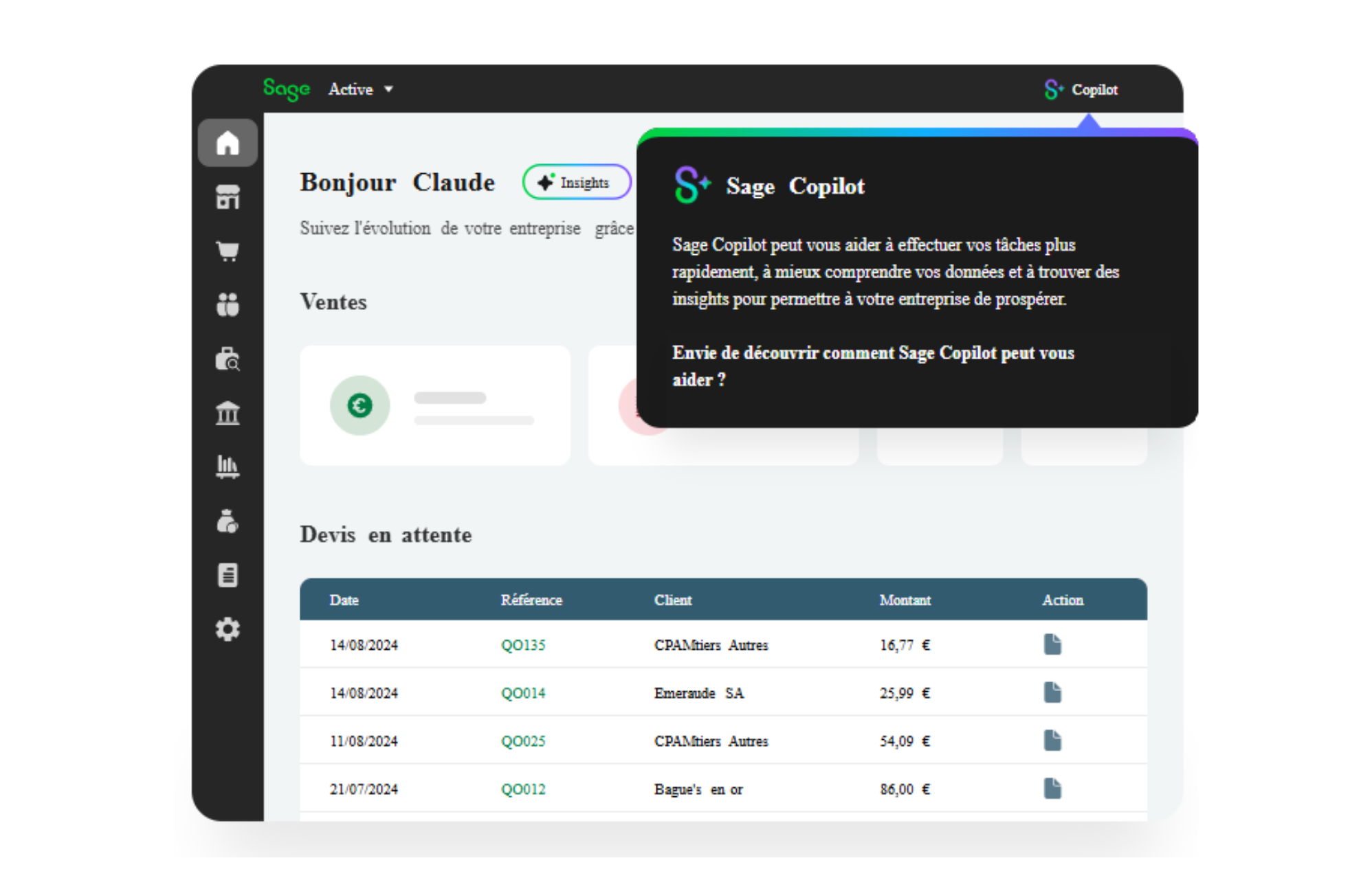
Tieto funkcie postupne premieňajú Sage X3 na interaktívnejšie a inteligentnejšie analytické prostredie – také, ktoré sa už nezameriava len na generovanie dát, ale na ich okamžitú a operatívnu interpretáciu.
V moderných finančných prostrediach umelá inteligencia nielen produkuje analýzy – stala sa skutočnou pákou automatizácie a priebežného riadenia. Sage Intacct túto zmenu dokonale ilustruje prístupom zameraným na rozšírené financie, kde tímy získavajú rýchlosť, spoľahlivosť a predvídavosť.
Jednou z najvýznamnejších zmien v Sage Intacct je prechod k priebežnému uzávierkovému procesu. Cieľom už nie je čakať na koniec mesiaca, aby sa analyzovali výsledky, ale mať finančné záznamy aktualizované v reálnom čase.
Vďaka AI a automatizácii:
Tento prístup zásadne pretvára úlohu finančných tímov: prechádzajú od kontroly a posteriori k priebežnému riadeniu, plynule zabudovanému do operácií spoločnosti.
Podľa Deloitte automatizácia uzávierkových procesov výrazne znižuje pracovnú záťaž finančných tímov a zároveň zlepšuje rýchlosť a spoľahlivosť finančného reportingu. Najpokročilejšie organizácie už nehovoria o mesačnej uzávierke, ale o priebežnom účtovnom procese integrovanom do operatívneho riadenia.
AI zabudovaná v Sage Intacct nejde len za hranice vykonávania pevných účtovných pravidiel. Učí sa z historických vzorov, aby:
Prínosom nie je len rýchlejšia oprava chýb, ale predchádzanie finančným úskaliam skôr, ako ovplyvnia hospodársky výsledok.
Najnovší vývoj presahuje ďaleko za hranice tradičnej automatizácie:
AI tu pôsobí ako operatívny asistent finančnej funkcie, ktorý drasticky znižuje opakujúce sa úlohy a zároveň zvyšuje spoľahlivosť dát.
S Nectari AI Copilot okamžite premieňate komplexné dáta na jasné a využiteľné informácie priamo v Sage Enterprise Intelligence. Príchod Nectari AI Copilot predstavuje zásadný krok smerom ku konverzačnému a rozšírenému BI.
Vďaka generatívnej AI môžu používatelia teraz priamo interagovať so svojimi dátami:
Nástroj neposkytuje len odpoveď, vysvetľuje, zasadzuje do kontextu a zvýrazňuje kľúčové faktory.
Nectari AI Copilot prináša automatizovaný dátový storytelling:
To znižuje závislosť od manuálnej analýzy a urýchľuje rozhodovanie.
Ďalší krok spočíva v premene BI na proaktívny systém:
BI už len neodpovedá na otázky: navrhuje správne otázky, ktoré treba klásť.
V oblasti skenovania faktúr a automatizácie záväzkov (AP) sa Yooz vyčleňuje ako referenčné riešenie pre dokumentovú AI a automatizované účtovníctvo.
AI systému Yooz sa opiera o technológie hlbokého učenia schopné:
Na rozdiel od tradičných prístupov založených na pevných pravidlách OCR, Yooz využíva kontextuálne porozumenie dokumentom.
Najnovší vývoj smeruje k takmer autonómnemu procesu Purchase-to-Pay:
Strednodobý cieľ je jasný: smerovanie k modelu „nulového manuálneho spracovania“, kde ľudský zásah je vyhradený výlučne na kontrolu a validáciu výnimočných prípadov.
Chcete sa dozvedieť viac? Kontaktujte nás
Implementácia prediktívnej analytiky alebo AI systémov nie je obmedzená len na nasadenie ďalšej funkcie alebo softvérového nástroja. Je to predovšetkým hlboká transformácia, ktorá rovnako ovplyvňuje technológie, procesy aj pracovné postupy.
Táto transformácia spočíva na niekoľkých základných pilieroch:
Bez tohto súladu medzi technológiou, dátami a organizáciou hrozí, že AI zostane mocným nástrojom na papieri, no s obmedzeným skutočným obchodným dopadom.
AI postupne a hlboko transformuje riadiace systémy podnikov a modely rozhodovania.
Najprv umožnila lepšie pochopiť minulosť prostredníctvom reportingu a deskriptívnej analytiky. Následne otvorila cestu k predvídaniu budúcich udalostí pomocou prediktívnej analytiky. Dnes sa odvíja nová kapitola s nástupom inteligentných agentov, ktorí sú schopní nielen analyzovať a odporúčať, ale aj konkrétne asistovať používateľom pri vykonávaní špecifických podnikových úloh.
Skutočná hodnota AI teda nespočíva len v samotnej technológii, ale v jej schopnosti efektívne sa integrovať do organizácií. To si vyžaduje vyvážené skĺbenie spoľahlivých dát, ľudskej expertízy a robustného rámca správy.
Prvé spätné väzby dokazujú, že prínosy AI sú reálne, no silne závisia od kvality implementácie. Podľa McKinsey začínajú najvýkonnejšie spoločnosti v oblasti adopcie AI zaznamenávať návratnosť investícií až tri libry na každú investovanú libru.
Podniky, ktorým sa táto transformácia podarí úspešne zvládnuť, si zabezpečia trvalú konkurenčnú výhodu v prostredí, kde rýchlosť, kvalita a relevantnosť rozhodnutí sa stali kritickými faktormi výkonnosti.