Potreba robustného právneho archivovania (WORM – Write Once Read Many, indexovanie).
< Blog
Elektronická fakturácia v Španielsku: Facturae, SII a nový rámec VeriFactu
Španielsko rýchlo rozširuje elektronickú fakturáciu. Po zameraní sa najmä na transakcie vo verejnom sektore a systém SII pre veľké spoločnosti teraz prechádza do novej fázy s nariadením VeriFactu, ktoré bude od roku 2027 povinné pre všetky podniky. Technické zmeny, nové zákonné povinnosti a celková revízia fakturačných procesov rýchlo menia regulačné prostredie Španielska.
Hoci táto reforma predstavuje zásadný národný posun, plne nezjednocuje španielske prostredie: spoločnosti, ktoré už podliehajú režimu SII, v ňom zostanú a Baskicko si ponecháva svoj vlastný povinný systém (TicketBAI). Nový rámec VeriFactu preto existujúce režimy skôr dopĺňa, než aby ich nahrádzal.
Dňa 2. decembra 2025 španielska vláda oficiálne odložila implementáciu Verifactu. Termín povinnej zhody bol presunutý z roku 2026 na rok 2027. Implementácia začne 1. januára 2027 pre spoločnosti a 1. júla 2027 pre malé a stredné podniky (SME) a živnostníkov. Tento odklad schválila Rada ministrov prostredníctvom dekretu-zákona Ministerstva financií.
Harmonogram, ktorý si treba zapamätať, je preto nasledovný:
SII naďalej funguje nezávisle.
Španielsko už má pokročilý ekosystém elektronickej fakturácie. Systém v súčasnosti štruktúrujú tri oblasti:
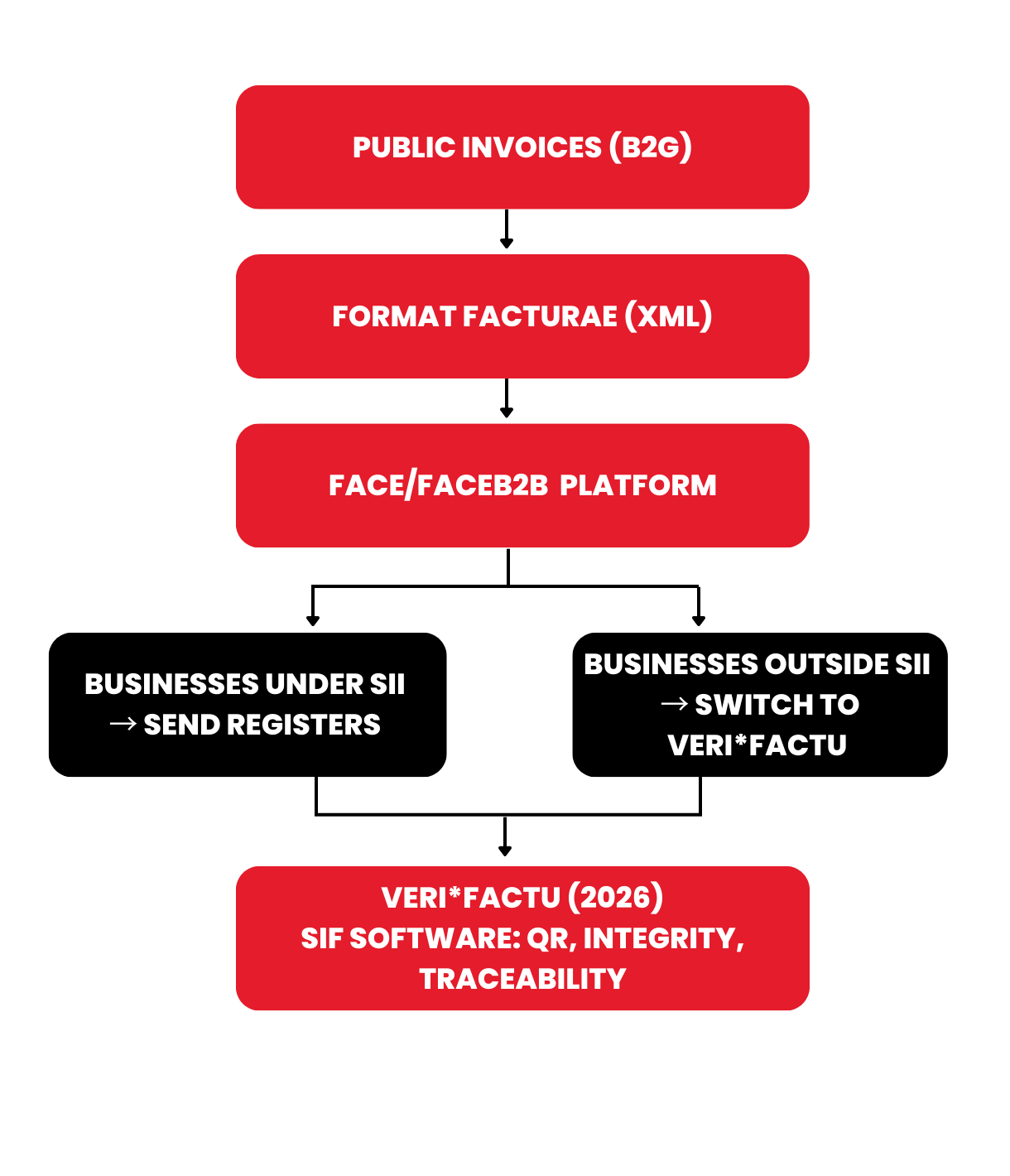
Faktúry určené pre verejný sektor musia byť zasielané vo formáte Facturae XML prostredníctvom platforiem FACe alebo FACeB2B.
Niektoré spoločnosti – veľké skupiny registrované v určitých daňových režimoch – musia prenášať svoje fakturačné záznamy úradu Agencia Estatal de Administración Tributaria (AEAT) v takmer reálnom čase.
Nový rámec, známy ako Reglamento VeriFactu, bude od roku 2027 vyžadovať, aby všetky fakturačné systémy zaručovali niekoľko kľúčových prvkov. Medzi ne patria:
integrita údajov,
nadväznosť a kompletný auditný záznam,
nemennosť fakturačných sérií,
povinný QR kód,
prenos údajov, ak spoločnosť aktivuje tento režim.
Ide o štrukturálnu reformu porovnateľnú so systémami, ktoré už fungujú v Portugalsku a Taliansku.
Je dôležité poznamenať, že aktivácia režimu prenosu VeriFactu(automatické odosielanie faktúr v reálnom čase úradu AEAT) zostáva voliteľná. Spoločnosti môžu dosiahnuť súlad s VeriFactuimplementáciou požiadaviek na integritu, logovanie a QR kódy bez povolenia automatického prenosu. AEAT tento režim podporuje, ale nie je predvolene povinný.
| Prvok | SII | VeriFactu |
|---|---|---|
| Podstata | Prenos účtovných kníh DPH | Právny rámec pre všetok fakturačný softvér |
| Cieľová skupina | Veľké spoločnosti | Všetky podniky od roku 2027 |
| Účel | Takmer okamžité vykazovanie | Zabezpečenie integrity, auditu, QR kódov a logovania |
| Formát | Záznamy v knihách DPH | Faktúry + metadáta |
| Povinné odosielanie? | Áno | Iba ak je aktivovaný daný režim |
| Koexistencia | Pokračuje v súčasnej podobe | Pridáva sa k SII |
Tieto dva systémy sa navzájom nevylučujú: VeriFactu upravuje faktúru, zatiaľ čo SII upravuje vykazovanie DPH.
Jedna spoločnosť preto môže podliehať obom systémom.
Pre spoločnosti, ktoré už podliehajú SII, VeriFactu nemení ich povinnosti týkajúce sa vykazovania kníh DPH. Jednoducho pridáva požiadavky na fakturačný softvér (SIF). V praxi oba rámce koexistujú a zameriavajú sa na rôzne časti fakturačného procesu.
Pokiaľ ide o formáty a podpisy, Facturae je uznávaný ako štandard v B2G transakciách. Používanie elektronických podpisov (XAdES alebo ekvivalent) sa vo väčšine prípadov vyžaduje.
Hoci je základný rámec definovaný, viaceré technické a realizačné detaily naďalej podliehajú konečnému rozhodnutiu úradu AEAT. Patria sem:
presná granulárnosť technického protokolu udalostí (logu),
určité aspekty štruktúry QR kódu VeriFactu,
prevádzkové postupy pre inšpekcie a nahlasovanie incidentov,
interakcia medzi VeriFactu a regionálnymi systémami, ako je TicketBAI.
Aktualizácie sa očakávajú prostredníctvom usmernení AEAT, často kladených otázok (FAQ) a technických príručiek.
Možná interakcia medzi národným rámcom a regionálnymi systémami (TicketBAI):
Baskicko (Álava, Gipuzkoa a Bizkaia) presadzuje svoj vlastný povinný systém, TicketBAI, ktorý sa naďalej uplatňuje nezávisle od VeriFactu. Spoločnosti pôsobiace v týchto oblastiach môžu preto podliehať obom rámcom súčasne, s čiastočne sa prekrývajúcimi, ale odlišnými technickými požiadavkami.
Kontrola kompatibility s EN-16931 a sieťami Peppol: Dôležité pre medzinárodné použitie.
Do štvrtého štvrťroka 2025 bude mať Španielsko už dobre zavedený systém elektronickej fakturácie. S príchodom VeriFactu v roku 2027 sa všetky spoločnosti musia pripraviť na aktualizáciu svojich fakturačných systémov. Predvídanie týchto zmien je nevyhnutné, aby sa predišlo rizikám, dodatočným nákladom a sankciám.
Lyon, Francúzsko – 24. marca 2025 – s radosťou oznamujeme naše partnerstvo so spoločnosťou Yooz, expertom na digitalizáciu a automatizáciu procesov od nákupu po platbu (P2P).
Prečítajte si viac
Do roku 2030 budú musieť všetky európske firmy prejsť na e-fakturáciu. Koniec posielaniu PDF súborov e-mailom! Nahradia ich štandardizované formáty, certifikované platformy a elektronický daňový reporting. Reforma je už v plnom prúde. Prečítajte si tento článok a zistite, ako tejto strategickej zmene porozumieť, ako ju predvídať a úspešne ju zvládnuť.
Prečítajte si viac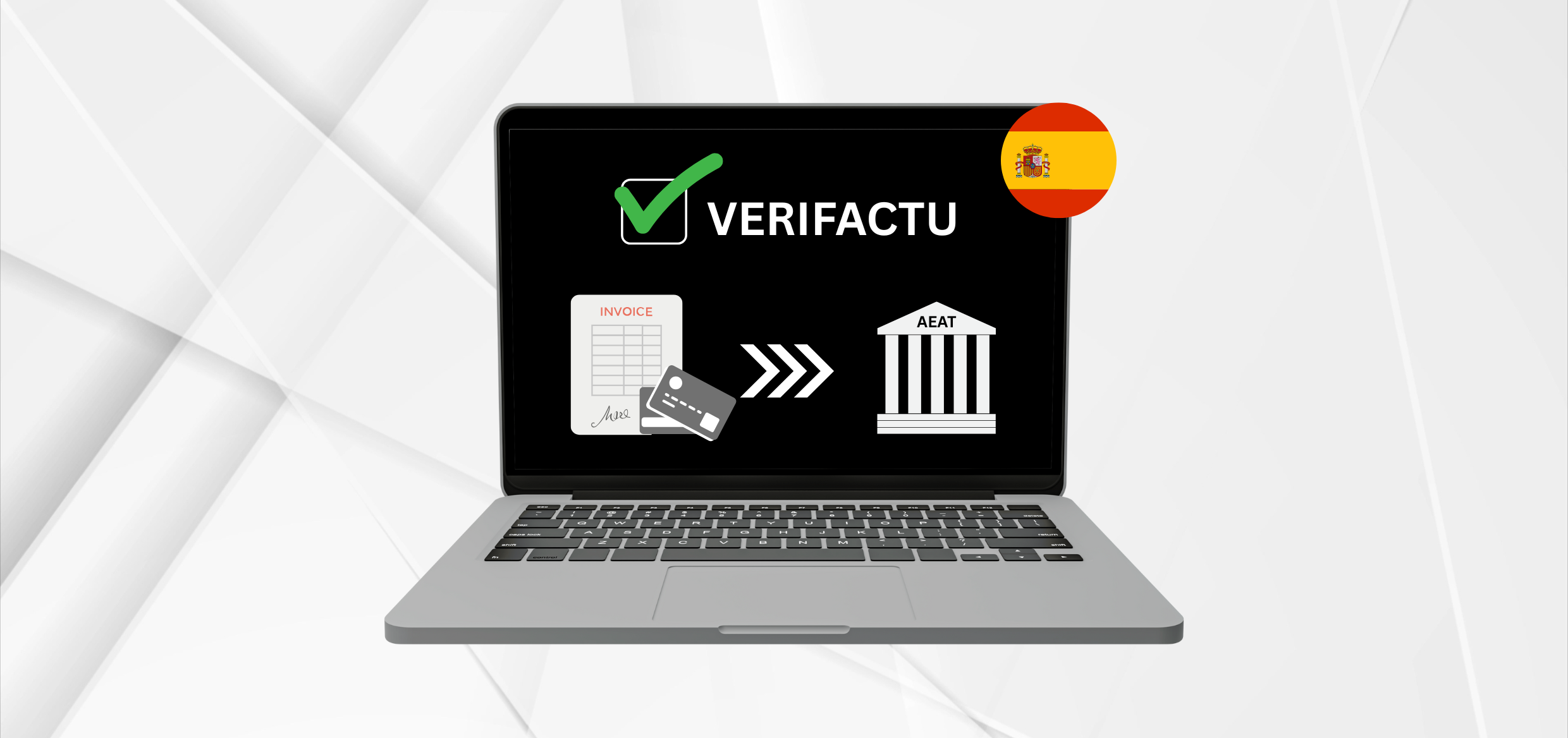
V Španielsku čelia podniky novej výzve v oblasti dodržiavania predpisov v podobe zavedenia systému VeriFactu. Povinná implementácia VeriFactu, pôvodne plánovaná na rok 2026, bola oficiálne odložená na rok 2027. Ako obchodný partner spoločnosti Sage, Deveho Consulting Group podporuje spoločnosti v tomto prechode ponukou riešení, ako je Sage X3 2025R1, ktoré sú navrhnuté tak, aby spĺňali tieto nové požiadavky.
Prečítajte si viac